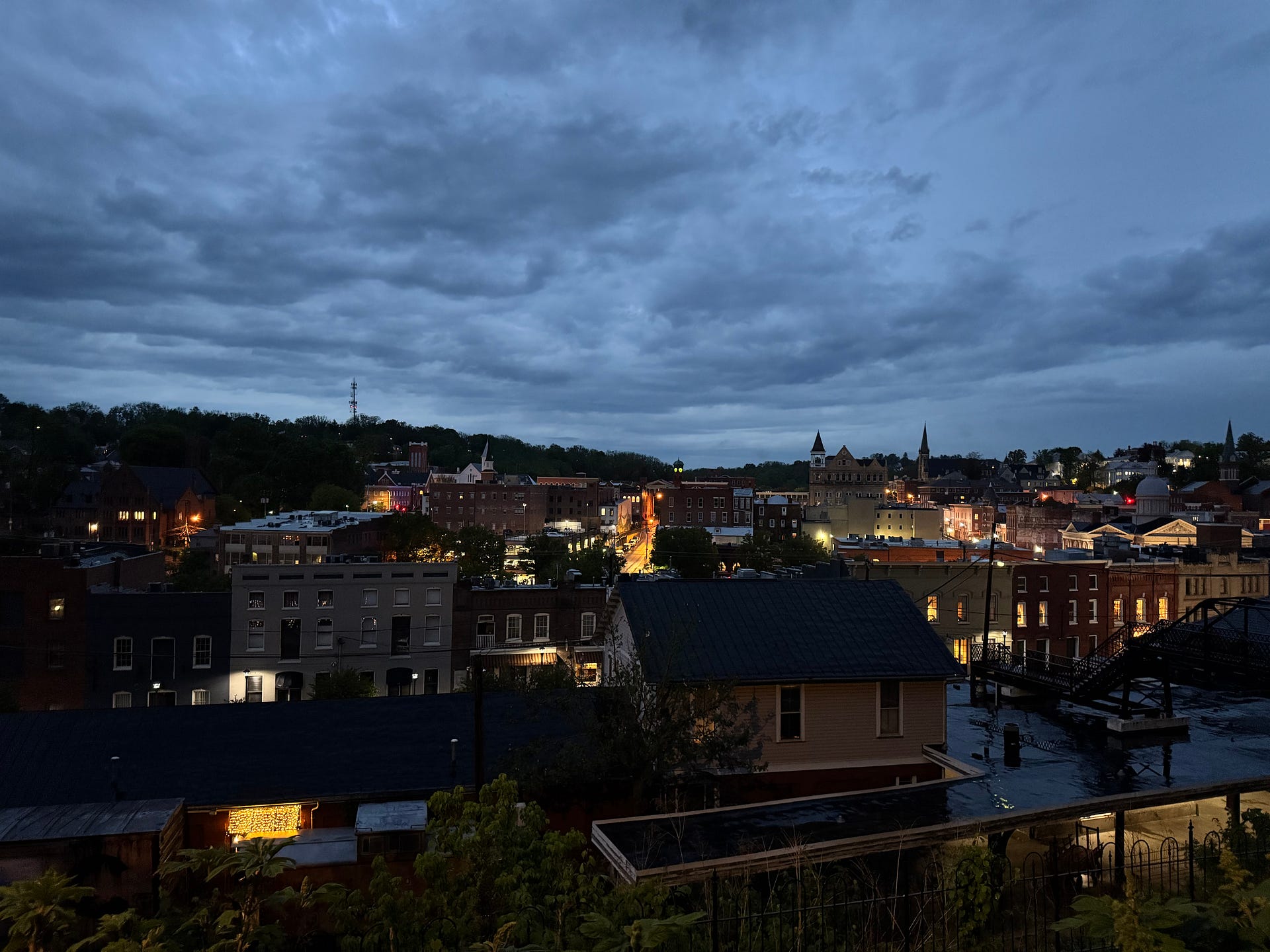



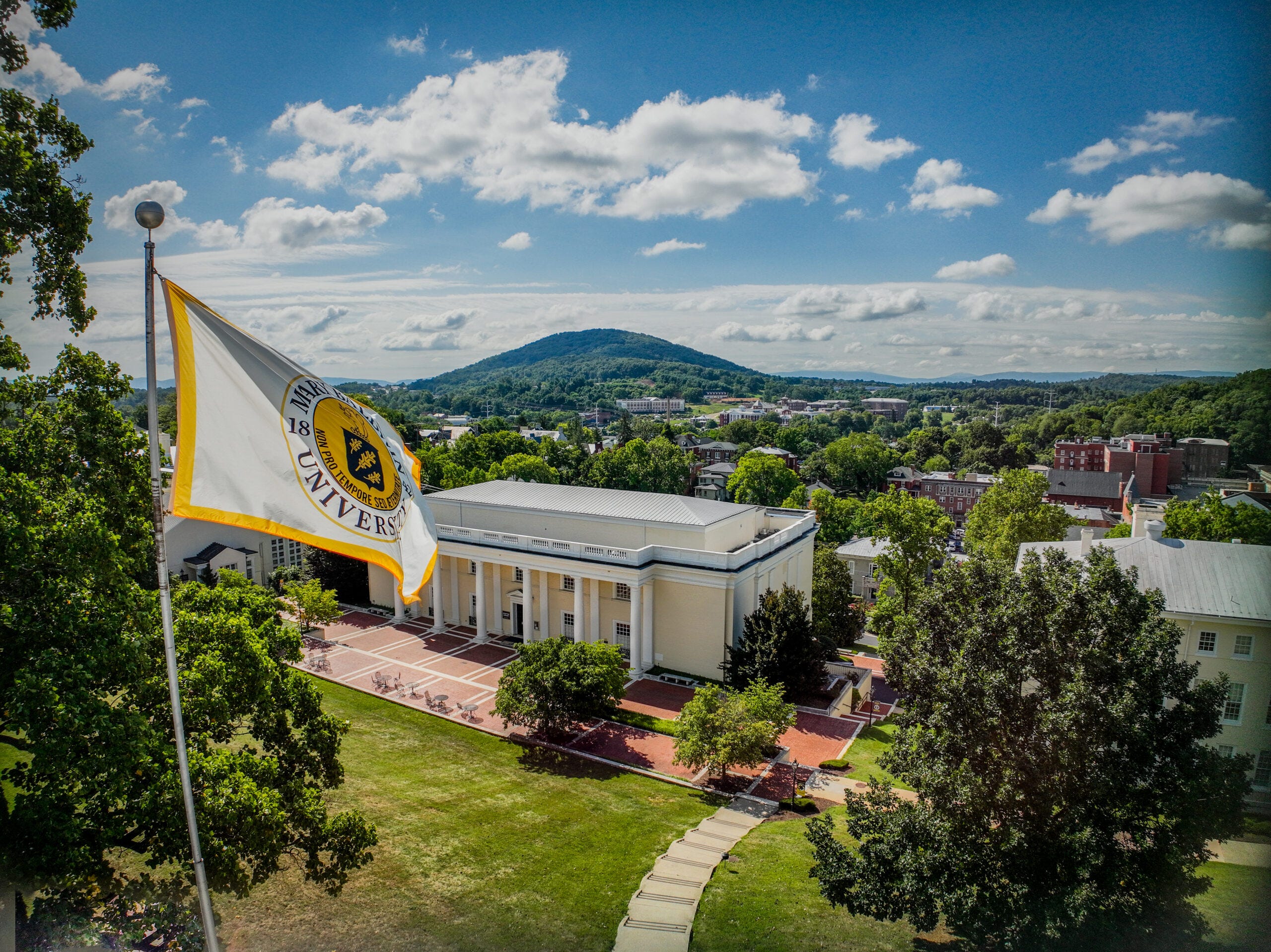
Every diploma the university issues carries a name that belonged to a specific, difficult, remarkable person, and it deserves to be known before the institution absorbed her into a brand. Mary Julia Baldwin was not a founder in the usual sense. She was something more interesting: the person who refused to let a founder’s project die.
The Orphan in the First Class
She was born in Winchester, Virginia, on October 4, 1829, and never knew her father, who died when she was an infant. Raised by her maternal grandparents in Staunton after her mother remarried, she carried a permanent mark from childhood: a high fever paralyzed and twisted the left side of her face, and for the rest of her life she refused to sit for a photograph or portrait.
In 1842, at thirteen, she enrolled as one of the first sixty pupils at the newly founded Augusta Female Seminary, organized that summer by the Reverend Rufus W. Bailey and a group of Staunton Presbyterians. The Virginia General Assembly formally incorporated the school on January 30, 1845. Bailey ran a serious institution, offering an education well in advance of what most young Southern women received, built on high academic standards alongside religious instruction. Baldwin, by contemporary description frail-looking and somewhat timid, often helped classmates with difficult assignments and graduated first in her class in 1846.
What she did with the years after graduation says more about her than the honors did. Living on her late father’s estate income, she became a serious and devoted Sunday school teacher, and she organized a Sunday afternoon class specifically for Black children. She also taught her own grandmother’s slaves to read and write, an act that ran against Virginia law and the customs of her class. Nothing about her life to that point suggested she would become anything other than, in the words of one biographer, an unmarried Southern lady living within the narrow conventions of her era.
Six Students and a War
The seminary she’d graduated from was dying by 1863. Its principal and his two teaching daughters had relocated to Texas, the Civil War had gutted enrollment across the region, and by that November the school had fallen to six pupils. Trustee Joseph Addison Waddell, who would later write the school’s first history, had been watching a young schoolteacher named Baldwin run a small operation of her own, the Bee Hive, since the war began. He decided she was the answer.
By the account preserved in the University of Virginia’s Valley of the Shadow archive, Waddell approached Baldwin directly, proposing that she take charge of the seminary alongside her close friend Agnes McClung as matron. Both women initially hesitated, doubting their own capacity for the job rather than doubting the offer’s sincerity. Waddell, convinced the two of them could outperform any of the men who had run the school before them, presented their names to the trustees without waiting for further argument.
The Valley the two women inherited was a battlefield. By November 1863, the account records, barns and fences had burned, livestock had been driven off, and flour sold for eighty dollars a barrel, with even basic provisions difficult to find at any price. Baldwin’s response was improvisation on a scale that reads like a small miracle of logistics. She borrowed furniture, eating utensils, dictionaries, and other books to outfit the school, and she structured tuition around what families actually had to give: students paid their fees in food and fuel instead of cash that barely existed. When Union troops occupied Staunton the following year, she worked to keep the school’s food supplies out of soldiers’ hands.
What She Built
The gamble worked, and it kept working. Under her leadership enrollment climbed from that wartime low toward seventy students, then eventually to 250 over her 34 years as principal. She turned out to have a genuine talent for the business side of running a school, acquiring real estate and making shrewd investments that gave the institution a financial footing sturdier than its wartime origins would suggest. She hired faculty carefully and kept them; several stayed for their entire careers, a retention record that speaks to how she ran the place day to day.
She never married. She and Agnes McClung, the friend who had walked into the crisis alongside her, lived together in the Brick House on campus until both women died, the same building that today forms part of McClung Residence Hall. Baldwin died on July 1, 1897. Two years before her death, in recognition of what she had done, the trustees renamed the school Mary Baldwin Seminary, retiring the Augusta name for good.
The woman who saved this school did it by refusing convention: teaching literacy to enslaved people against the law of her state, taking professional charge of an institution at a moment when almost no unmarried woman did such a thing, and keeping a school open through a war that closed nearly every other one in the Valley. The building she is remembered by carries her name. What actually built the place was her refusal to accept that it should close.
Local history is a new section of The Stauntonian. If there is a story, a building, a person, or an era you want us to look into, write to Brad at brad@stauntonian.com.